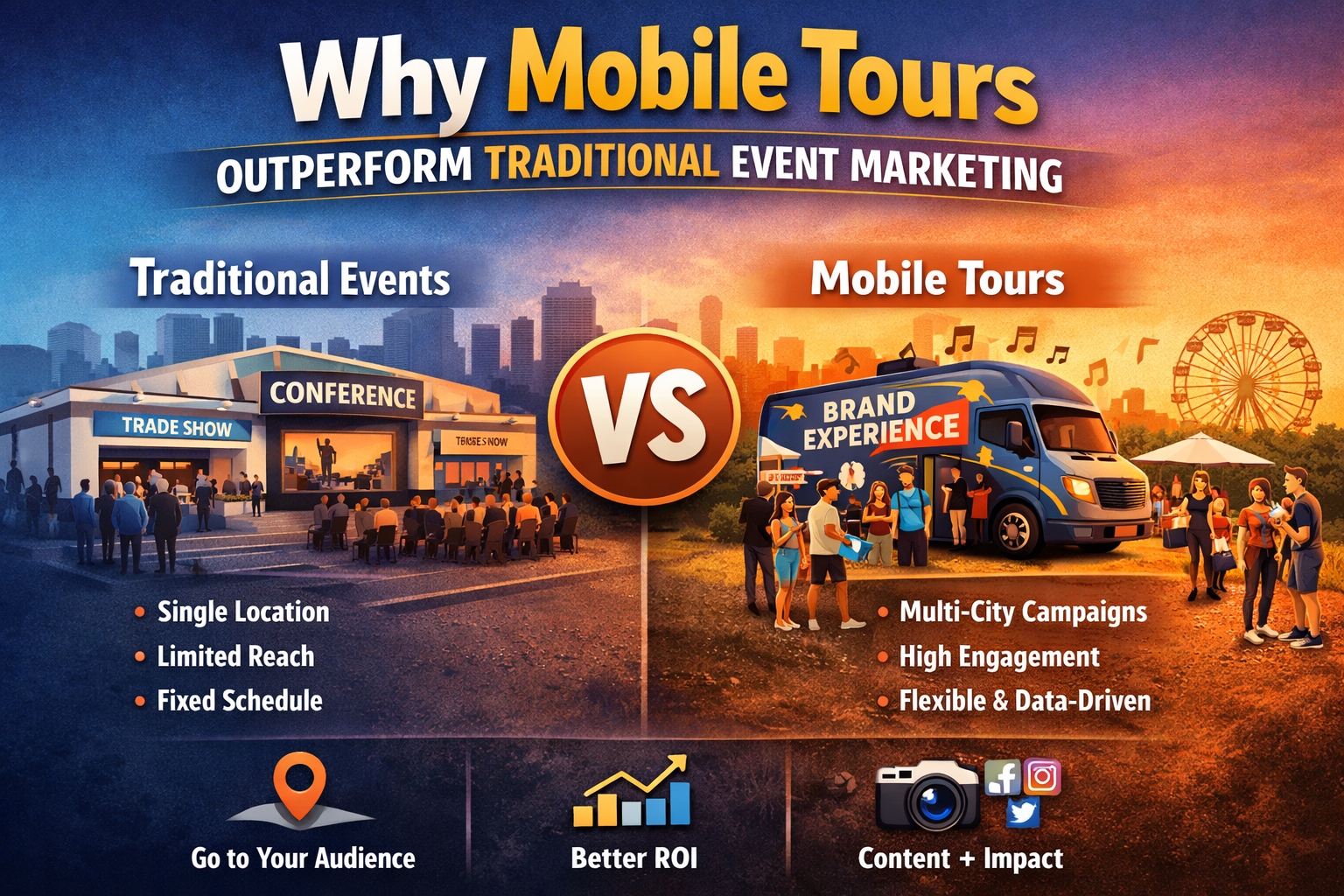
Why Mobile Tours Outperform Traditional Event Marketing
Traditional event marketing has long been a staple for brands looking to connect with consumers face-to-face. Trade shows, conferences, sponsorships, and one-off events still have their place but they come with limitations that modern brands can’t ignore.
In contrast, mobile marketing tours have emerged as one of the most effective experiential strategies for brands that want scale, flexibility, and measurable impact.
Here’s why mobile tours consistently outperform traditional event marketing and why more brands are reallocating budget toward them.
- Mobile Tours Go Where Your Audience Already Is
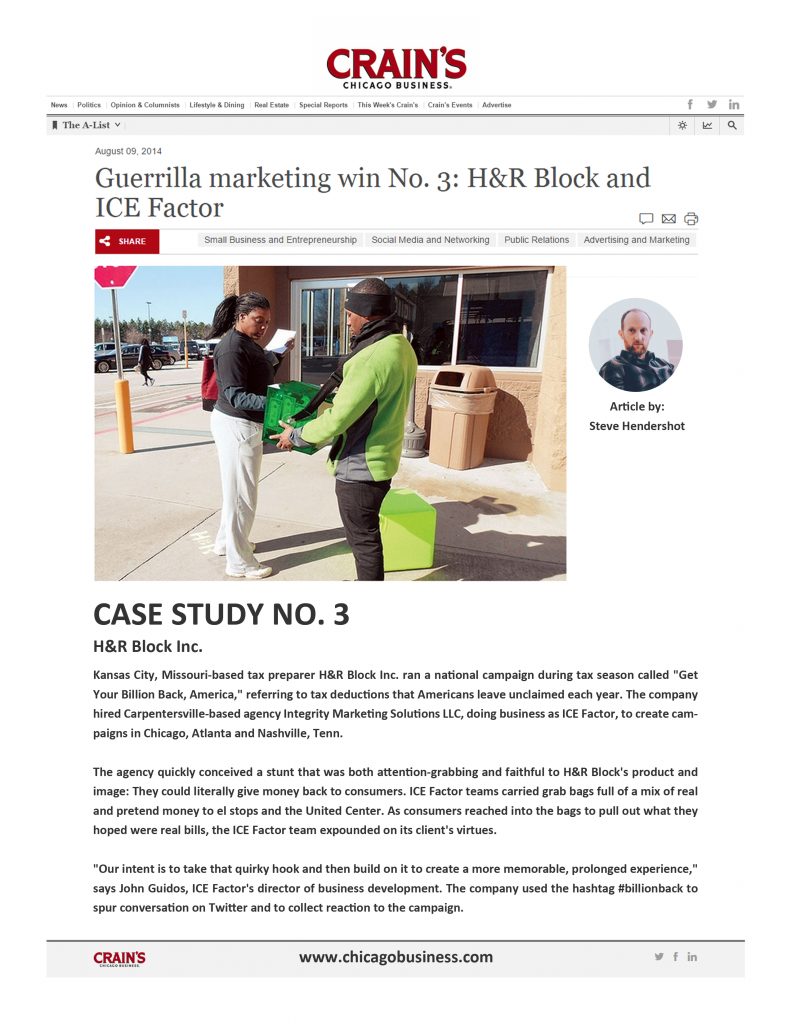
Traditional events require your audience to come to you. That’s a gamble. Mobile tours flip the model entirely. Instead of waiting for foot traffic, mobile tours:
- Activate high-traffic areas
- Show up at campuses, festivals, downtown corridors, retail centers, and neighborhoods
- Meet people in their natural environments
This dramatically lowers friction. When a branded experience appears where people already are, engagement rates rise — without relying on ticketed attendance or pre-registration.
- One Tour, Multiple Cities, Exponential Reach
A single traditional event equals a single moment in a single location. A mobile tour turns one concept into:
- A multi-city campaign
- Dozens (or hundreds) of live touchpoints
- Consistent brand exposure across regions
With a mobile tour, brands can maintain creative consistency while tailoring messaging to local markets. The result is national or regional reach without reinventing the wheel at every stop.
- Mobile Tours Offer More Control and Flexibility
Traditional events come with rigid constraints:
- Fixed schedules
- Venue limitations
- Union rules
- Sponsor clutter
- Limited branding real estate
Mobile tours offer brands far more control:
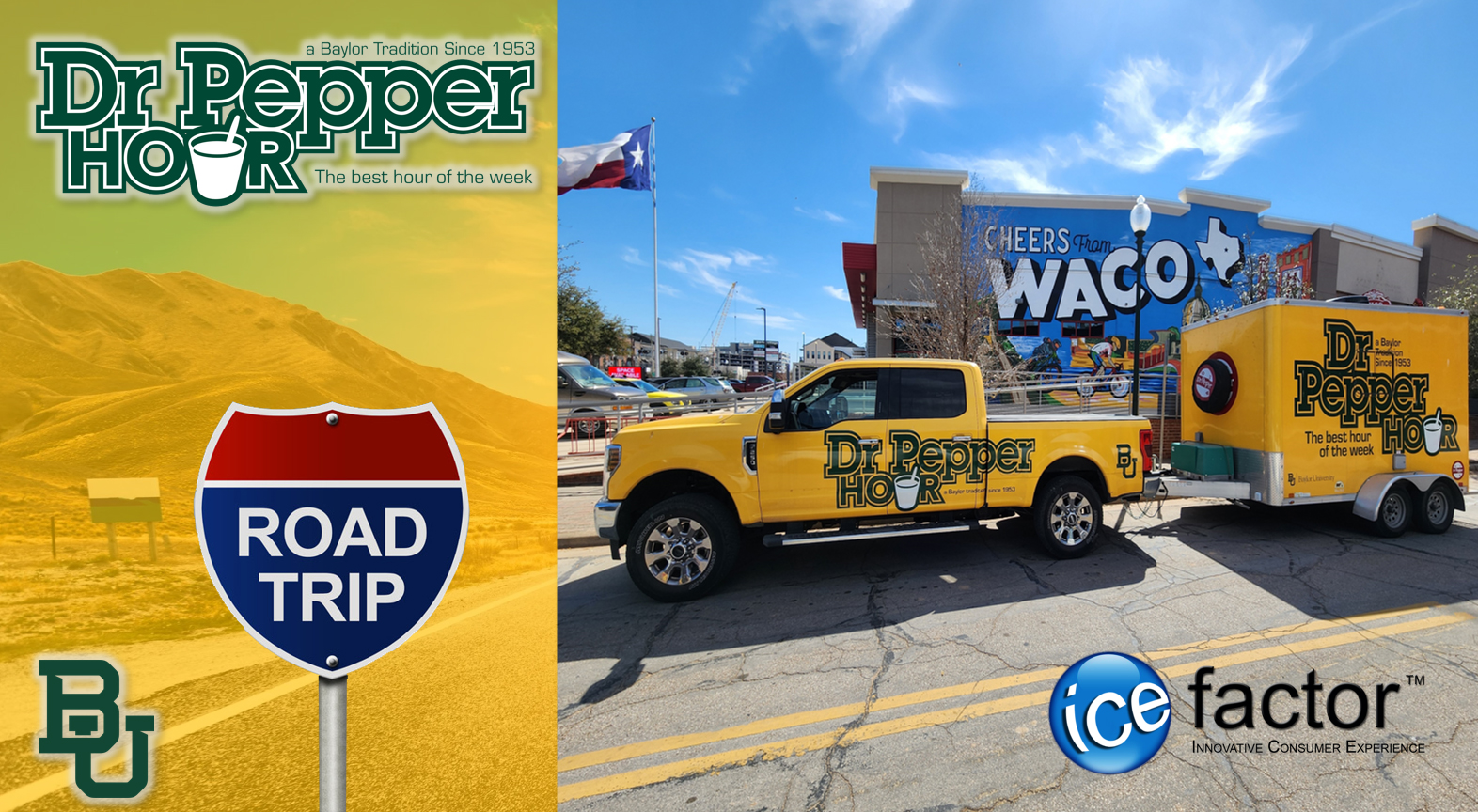
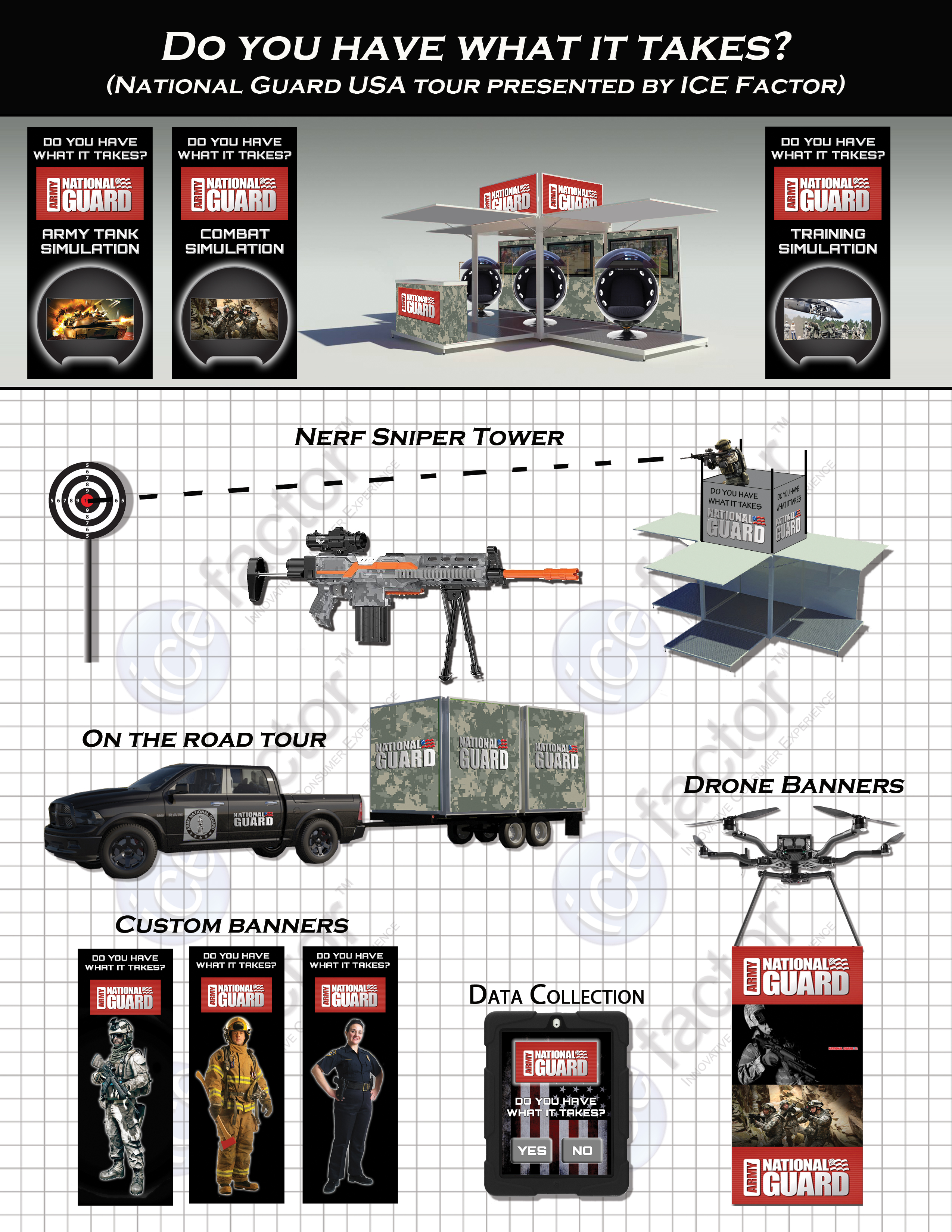
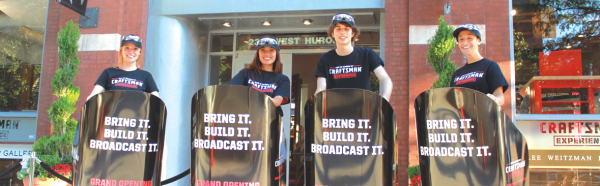
- Custom vehicles and pop-ups
- Flexible routes and schedules
- Adjustable activation formats
- The ability to pivot in real time based on performance, weather, or audience response
That flexibility allows campaigns to evolve not just run.
- Better Data, Better ROI
One of the biggest challenges with traditional events is measurement. Attendance numbers don’t always equal meaningful engagement. Mobile tours are designed with data capture in mind, including:
- QR code interactions
- Lead generation
- Sampling metrics
- Social content creation
- Engagement time tracking
This makes it easier to answer the question brands care about most:
What did we actually get from this?
When properly executed, mobile tours provide clearer ROI than many traditional event sponsorships.
- Longer Campaign Lifespan, Stronger Brand Memory
Traditional events are often one-day experiences. Once they’re over, so is the impact. Mobile tours extend brand presence over weeks or months, allowing:
- Repeated exposure in different markets
- Stronger brand recall
- Ongoing social and digital amplification
The longer a campaign lives, the more opportunities it has to convert awareness into action.
- Mobile Tours Are Built for Content
Experiential marketing doesn’t stop when the event ends especially in a digital-first world. Mobile tours are inherently content-friendly:
- Visual vehicles and pop-ups
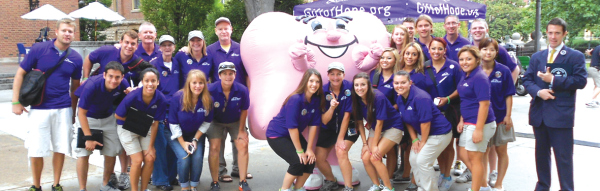
- Real people interacting with the brand
- Dynamic environments that change city to city
This creates a steady stream of photo, video, and social content that extends the campaign’s reach far beyond the physical tour stops.
- More Authentic, Less Transactional Engagement
Audiences today are skeptical of overt advertising especially in crowded event environments. Mobile tours tend to feel:
- More unexpected
- More personal
- Less sales-driven
When done right, they create authentic moments that feel like experiences, not promotions. That emotional connection is what drives long-term brand loyalty.
When Traditional Events Still Make Sense
To be clear, traditional events aren’t obsolete. They still work well for:
- Industry-specific networking
- High-level B2B relationship building
- Trade associations and closed audiences
But for brands seeking reach, flexibility, and measurable engagement, mobile tours often deliver more value per dollar.
Final Thoughts
Mobile tours outperform traditional event marketing because they’re designed for how people actually live, move, and engage today.
They’re scalable.
They’re flexible.
They’re measurable.
And they create experiences people remember.
For brands looking to break through the noise, mobile tours aren’t just an alternative they’re often the smarter strategy.
Thinking about launching a mobile tour?
ICE Factor designs and executes mobile marketing tours and brand activations nationwide. Let’s build something people don’t just attend they experience.
https://www.icefactor.com/ice-factor-quote.html